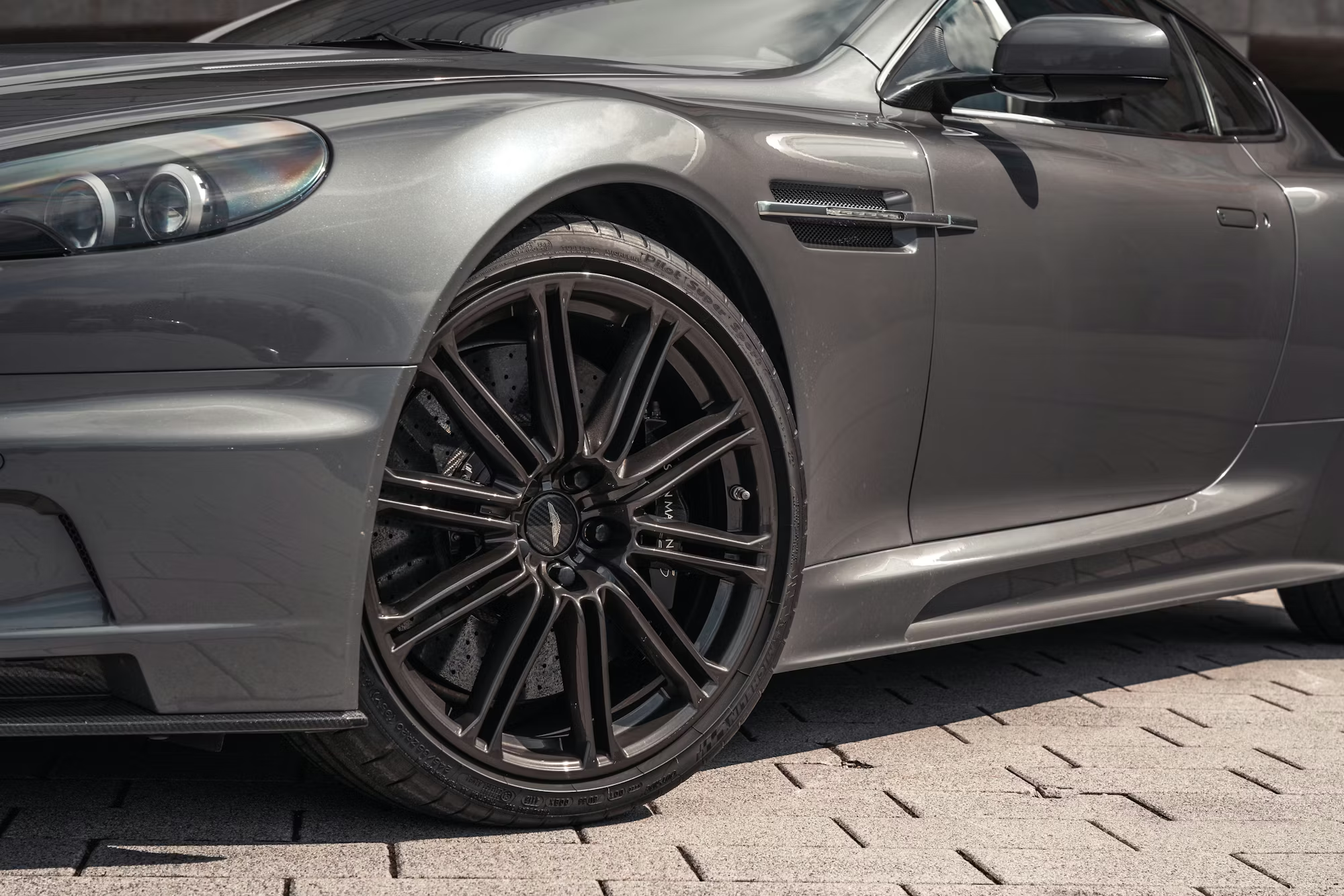
Supercars have captivated automotive enthusiasts for decades, standing as symbols of performance, luxury, and cutting-edge technology. These extraordinary machines represent the zenith of engineering and design, combining stunning aesthetics with remarkable capabilities. This article delves into the unique characteristics that define supercars, their impact on automotive culture, and the innovations that keep them at the forefront of performance and luxury. At the heart of every supercar is its performance. Designed to thrill and excite, these vehicles are built with powerful engines that deliver breathtaking acceleration and top speeds. Take, for instance, the Porsche 911 Turbo S. With its turbocharged flat-six engine, the Turbo S boasts an impressive 640 horsepower, allowing it to accelerate from 0 to 60 mph in just 2.6 seconds. This level of performance not only makes it a formidable contender on the road but also a track-ready machine, appealing to both casual drivers and serious enthusiasts. Another example is the McLaren 720S, which features a lightweight carbon-fiber chassis and a twin-turbo V8 engine, generating 710 horsepower. This supercar can reach 60 mph in a mere 2.7 seconds, showcasing McLaren’s commitment to performance and precision engineering. The design of supercars is equally captivating. Manufacturers like Lamborghini and Ferrari have perfected the art of crafting visually stunning vehicles that are instantly recognizable. The Lamborghini Aventador, with its sharp angles and aggressive stance, commands attention wherever it goes. Its naturally aspirated V12 engine produces a visceral sound that enhances the driving experience, making it as much an auditory delight as it is a visual spectacle. The Ferrari F8 Tributo, on the other hand, combines elegance with aggression, featuring flowing lines and a sculpted body that embodies speed even at a standstill. These designs not only serve aesthetic purposes but also play critical roles in aerodynamics, helping to improve stability and performance at high speeds. The evolution of supercars has also been driven by technological advancements. In recent years, manufacturers have embraced hybrid and electric technologies, revolutionizing the way we think about high-performance vehicles. The Ferrari SF90 Stradale is a prime example of this shift, combining a powerful V8 engine with three electric motors to achieve a combined output of 986 horsepower. This hybrid supercar not only delivers exhilarating performance but also emphasizes efficiency, reflecting a growing awareness of environmental sustainability within the automotive industry. The Porsche 918 Spyder, another hybrid marvel, integrates a naturally aspirated V8 engine with two electric motors, showcasing a perfect blend of power and eco-friendliness. With its ability to switch between electric and hybrid modes, the 918 Spyder sets a precedent for the future of supercars, demonstrating that performance and sustainability can coexist harmoniously. Aerodynamics play a vital role in the performance of supercars, and manufacturers are continuously innovating to enhance airflow and stability. The Aston Martin Valkyrie features an active aerodynamic system that adjusts various elements of the car in real-time to optimize downforce and handling. This level of sophistication ensures that supercars maintain their grip on the road, especially at high speeds, providing drivers with a confidence-inspiring experience. As the automotive landscape evolves, connectivity and driver experience have become paramount considerations for supercar manufacturers. The integration of advanced infotainment systems allows drivers to stay connected while enjoying the thrill of the drive. For example, the Audi R8 offers a state-of-the-art virtual cockpit that displays essential information and navigation features right in the driver’s line of sight, enhancing the overall driving experience. These technological advancements not only improve functionality but also provide a sense of modernity and sophistication that resonates with today’s consumers. Furthermore, the supercar community is vibrant and dynamic, fostering a sense of camaraderie among enthusiasts and collectors. Events such as the Monterey Car Week and the Goodwood Festival of Speed draw crowds from around the world, showcasing the latest innovations in automotive engineering while celebrating classic and contemporary supercars alike. These gatherings provide a platform for enthusiasts to connect, share their passion, and admire the beauty of these incredible machines. The cultural impact of supercars extends beyond performance and technology. They represent a lifestyle, often associated with luxury, exclusivity, and adventure. Brands like Bugatti and Pagani have created not just cars, but works of art that evoke emotions and aspirations. The Bugatti Chiron, with its quad-turbocharged W16 engine and stunning design, epitomizes opulence and performance. With a top speed exceeding 300 mph, it has redefined the boundaries of what is possible in automotive engineering. Meanwhile, Pagani’s Huayra is a masterpiece of craftsmanship, featuring intricate details and a uniquely designed twin-turbo V12 engine that delivers an exhilarating driving experience. The allure of supercars is also reflected in their rarity and exclusivity. Limited production models, such as the Koenigsegg Jesko and the Mercedes-AMG One, often have price tags that reach into the millions, making them highly sought after by collectors and enthusiasts. The thrill of owning such a vehicle is not just about the performance; it’s also about the status and prestige that comes with it. As supercars continue to evolve, they will undoubtedly face challenges and opportunities in an ever-changing automotive landscape. The push for sustainability will shape the future of these machines, pushing manufacturers to innovate and adapt to new technologies and consumer demands. However, the essence of supercars—performance, design, and passion—will remain unchanged. In conclusion, supercars represent the perfect blend of performance, design, and technological innovation. As they continue to evolve, they will undoubtedly inspire future generations of automotive enthusiasts and engineers alike. From their roaring engines to their breathtaking designs, supercars will always be celebrated as symbols of excellence and aspiration in the automotive world. The journey of supercars, from classic legends to modern marvels, is a testament to human ingenuity and the relentless pursuit of perfection.
The Allure of Supercars: A Deep Dive into Performance and Prestige