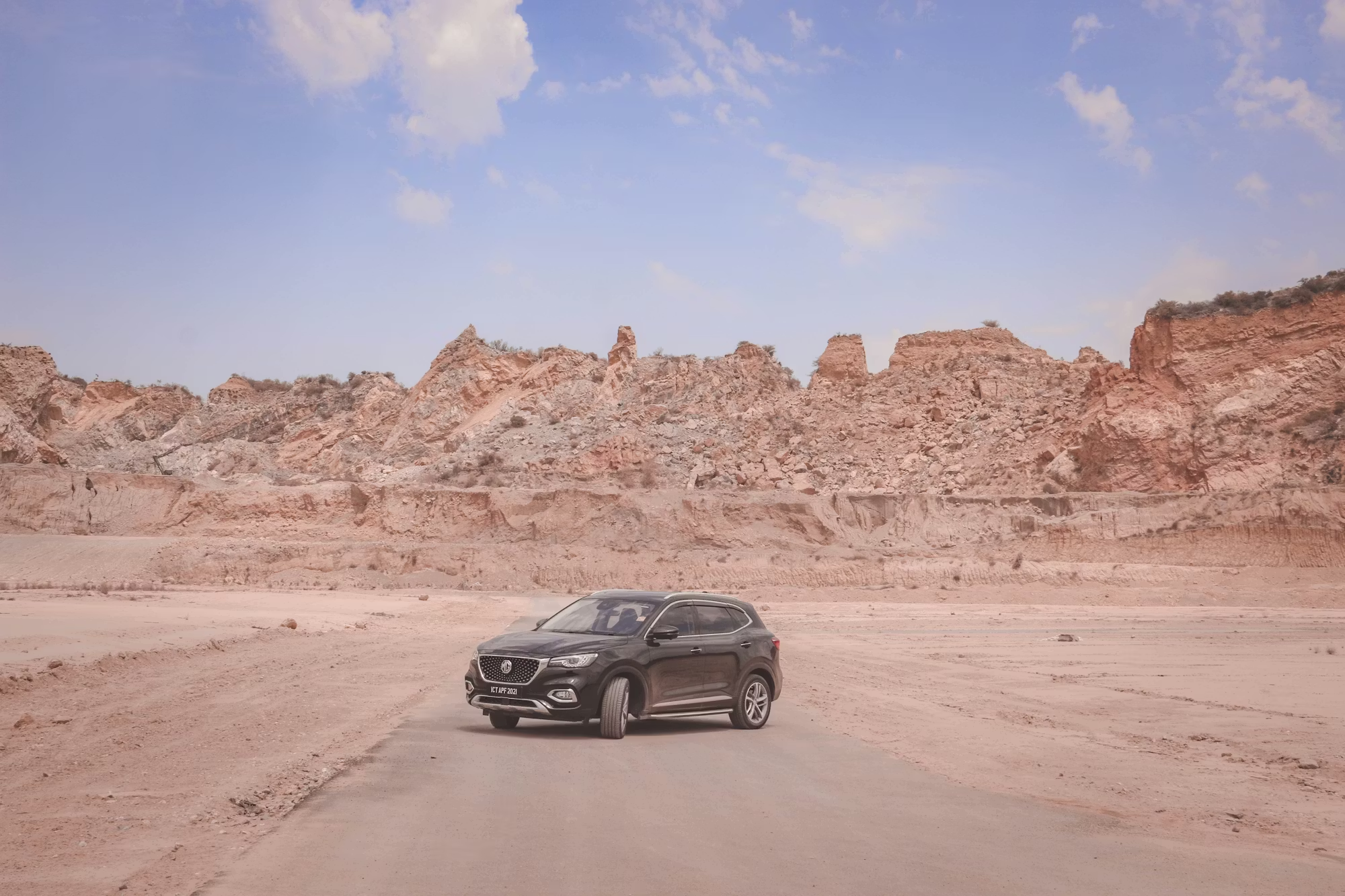
The automotive landscape is undergoing a significant transformation as consumers become increasingly aware of environmental issues and the need for sustainable transportation solutions. Among the various vehicle types gaining traction, electric SUVs have emerged as a popular choice, combining the versatility of traditional SUVs with the benefits of electric powertrains. This article explores the rise of electric SUVs, their advantages, challenges, and what the future may hold for this rapidly evolving segment.
Electric SUVs represent a fusion of functionality and eco-friendliness. These vehicles are designed to meet the demands of modern drivers while minimizing their carbon footprint. With models like the Tesla Model X, Ford Mustang Mach-E, and Rivian R1S making headlines, electric SUVs are not just a passing trend; they are a testament to the automotive industry’s commitment to sustainability.
One of the most significant advantages of electric SUVs is their environmental impact. Unlike traditional gasoline-powered vehicles, electric SUVs produce zero tailpipe emissions, contributing to cleaner air and reduced greenhouse gas emissions. This aligns with global efforts to combat climate change and promotes a healthier environment. Additionally, electric SUVs can be charged using renewable energy sources, further enhancing their green credentials.
The performance of electric SUVs has also seen substantial improvements in recent years. With instant torque and efficient power delivery, electric motors provide an exhilarating driving experience. Many electric SUVs can accelerate from 0 to 60 mph in just a few seconds, rivaling some of the fastest sports cars on the market. This performance appeal, coupled with the spacious interiors and advanced technology features found in modern SUVs, makes electric SUVs an attractive option for a wide range of consumers.
Range anxiety, the fear of running out of battery power before reaching a charging station, has been a significant barrier to the widespread adoption of electric vehicles. However, advancements in battery technology have significantly extended the driving range of electric SUVs. Many new models now offer ranges exceeding 300 miles on a single charge, alleviating concerns and making them more practical for daily use and long road trips.
Charging infrastructure is another critical factor in the growth of electric SUVs. The expansion of charging networks has made it easier for drivers to find charging stations, whether at home, work, or along highways. Companies are investing heavily in developing fast-charging stations, which can recharge a vehicle’s battery to 80% in under 30 minutes, minimizing downtime and improving the overall convenience of owning an electric SUV.
In addition to performance and convenience, electric SUVs are also packed with advanced technology features. Many models come equipped with cutting-edge infotainment systems, driver-assistance technologies, and connectivity options that enhance the driving experience. Features such as adaptive cruise control, lane-keeping assistance, and automated parking are becoming standard in electric SUVs, ensuring that drivers enjoy both comfort and safety.
While the benefits of electric SUVs are clear, there are also challenges to overcome. One of the most pressing issues is the production and disposal of batteries. The extraction of lithium, cobalt, and other minerals used in battery production can have significant environmental impacts. Moreover, the disposal of batteries at the end of their life cycle poses recycling challenges. To address these concerns, manufacturers are exploring more sustainable battery technologies and recycling methods to minimize the environmental footprint of electric SUVs.
Cost remains another hurdle for many potential buyers. While prices are decreasing as technology advances and production scales up, electric SUVs are still generally more expensive than their gasoline counterparts. However, government incentives and tax credits can help offset these costs, making electric SUVs more accessible to consumers.
As the market for electric SUVs continues to grow, automakers are responding by expanding their offerings. Major manufacturers are committing to producing a range of electric models, aiming to appeal to different consumer preferences and budgets. This includes not only premium models but also more affordable options designed to reach a broader audience. As competition increases, consumers can expect improved features, longer ranges, and lower prices, further driving the adoption of electric SUVs.
In conclusion, the rise of electric SUVs represents a significant shift in the automotive industry. These vehicles offer a combination of sustainability, performance, and advanced technology that meets the needs of modern drivers. As manufacturers continue to innovate and address the challenges associated with electric vehicles, we can anticipate a future where electric SUVs play a pivotal role in reducing emissions and promoting cleaner transportation. With their growing popularity and expanding choices, electric SUVs are not just a trend; they are shaping the future of driving and paving the way for a greener world.