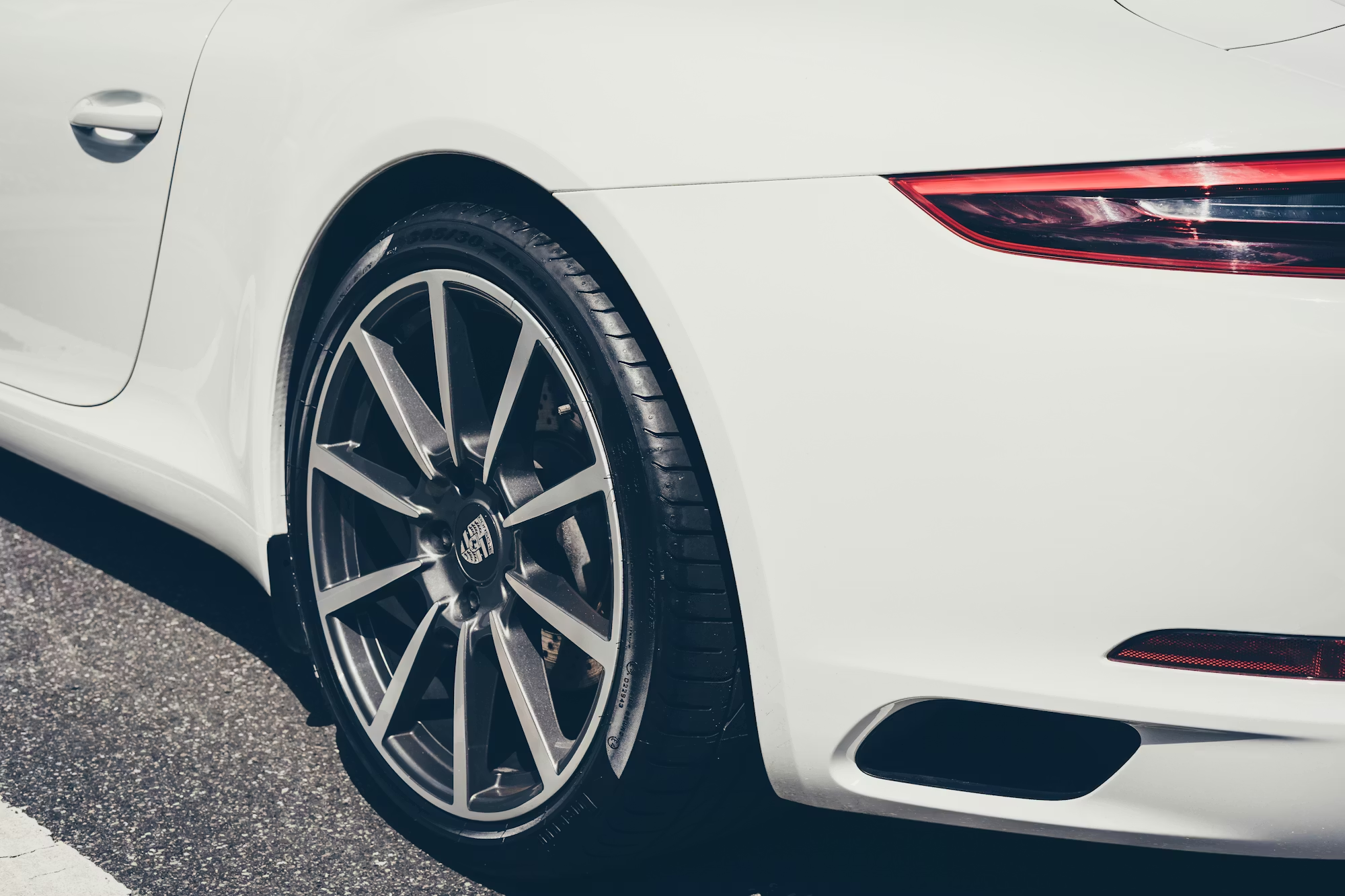
The luxury car market represents the pinnacle of automotive engineering, design, and technology. With a rich history and an ever-evolving landscape, luxury vehicles have become synonymous with prestige, comfort, and cutting-edge innovation. This article delves into the world of luxury cars, exploring the key features, influential brands, and trends shaping this exclusive segment.
Luxury cars are designed not only for performance but also for an unparalleled driving experience. They often feature high-quality materials, meticulous craftsmanship, and advanced technology that enhance both comfort and convenience. From the plush leather seats to the state-of-the-art infotainment systems, every aspect of a luxury vehicle is carefully curated to meet the desires of discerning consumers.
One of the defining characteristics of luxury cars is their performance. High-end brands invest heavily in engineering and design to create vehicles that deliver exhilarating driving experiences. Powerful engines, precise handling, and advanced suspension systems are hallmarks of luxury performance. Brands like Ferrari, Lamborghini, and Porsche are known for their iconic sports cars that combine speed and agility, offering drivers a taste of automotive excellence.
In contrast, brands like Rolls-Royce and Bentley emphasize comfort and elegance, offering vehicles designed for a serene driving experience. These manufacturers prioritize a smooth ride, exceptional sound insulation, and opulent interiors that create a sanctuary for passengers. The attention to detail in luxury vehicles is unparalleled, with custom options available for buyers to personalize their cars to their exact specifications.
As technology continues to advance, luxury cars are at the forefront of innovation. Many high-end models are equipped with cutting-edge features that enhance safety, connectivity, and driving pleasure. Driver assistance systems, adaptive cruise control, and lane-keeping technology are becoming standard in many luxury vehicles, providing drivers with peace of mind and a more enjoyable experience on the road.
Moreover, luxury brands are increasingly integrating electric and hybrid technology into their lineups. As environmental concerns grow, manufacturers recognize the importance of sustainability without sacrificing performance. Brands like Tesla have disrupted the luxury market with their all-electric models, proving that high-end vehicles can be both luxurious and environmentally friendly. Traditional luxury automakers are following suit, introducing hybrid and fully electric options that cater to eco-conscious consumers.
The appeal of luxury cars extends beyond their performance and features; they also represent a lifestyle. Owning a luxury vehicle is often viewed as a status symbol, reflecting an individual’s taste and success. Luxury car brands cultivate an image of exclusivity and sophistication, attracting a clientele that values not only the vehicle but also the experience associated with ownership. Events like luxury car shows and exclusive driving experiences allow owners to connect with others who share their passion for automotive excellence.
Furthermore, the resale value of luxury cars can be significantly higher than that of mainstream vehicles. Certain brands, particularly those with a strong heritage and reputation, tend to hold their value well over time. This aspect makes luxury cars an attractive investment for buyers, as they can enjoy the benefits of ownership while knowing their vehicle may appreciate in value.
However, the luxury car market is not without its challenges. As consumer preferences evolve, brands must adapt to changing demands while maintaining their exclusive appeal. The rise of ride-sharing services and alternative mobility solutions has led some to question the future of car ownership, particularly among younger generations. Luxury brands are exploring new business models, such as subscription services, to meet the needs of a changing market.
Additionally, the ongoing push for sustainability presents both challenges and opportunities. Luxury automakers are tasked with finding a balance between performance and environmental responsibility. By investing in electric vehicles and sustainable practices, brands can appeal to a broader audience while staying true to their luxury roots.
The future of luxury cars is likely to be shaped by ongoing technological advancements and shifting consumer attitudes. As autonomous driving technology matures, luxury vehicles may evolve into sophisticated mobile lounges, offering passengers an array of entertainment options while on the move. This potential transformation could redefine the luxury driving experience, focusing more on comfort and convenience rather than traditional driving dynamics.
In conclusion, the world of luxury cars is a captivating blend of performance, innovation, and lifestyle. From the meticulous craftsmanship to the cutting-edge technology, luxury vehicles embody a commitment to excellence that resonates with enthusiasts and collectors alike. As the automotive landscape continues to evolve, luxury brands will need to navigate challenges while embracing opportunities to redefine what it means to drive a luxury car. The journey into automotive excellence is far from over, and the future promises to be as exciting as the past.